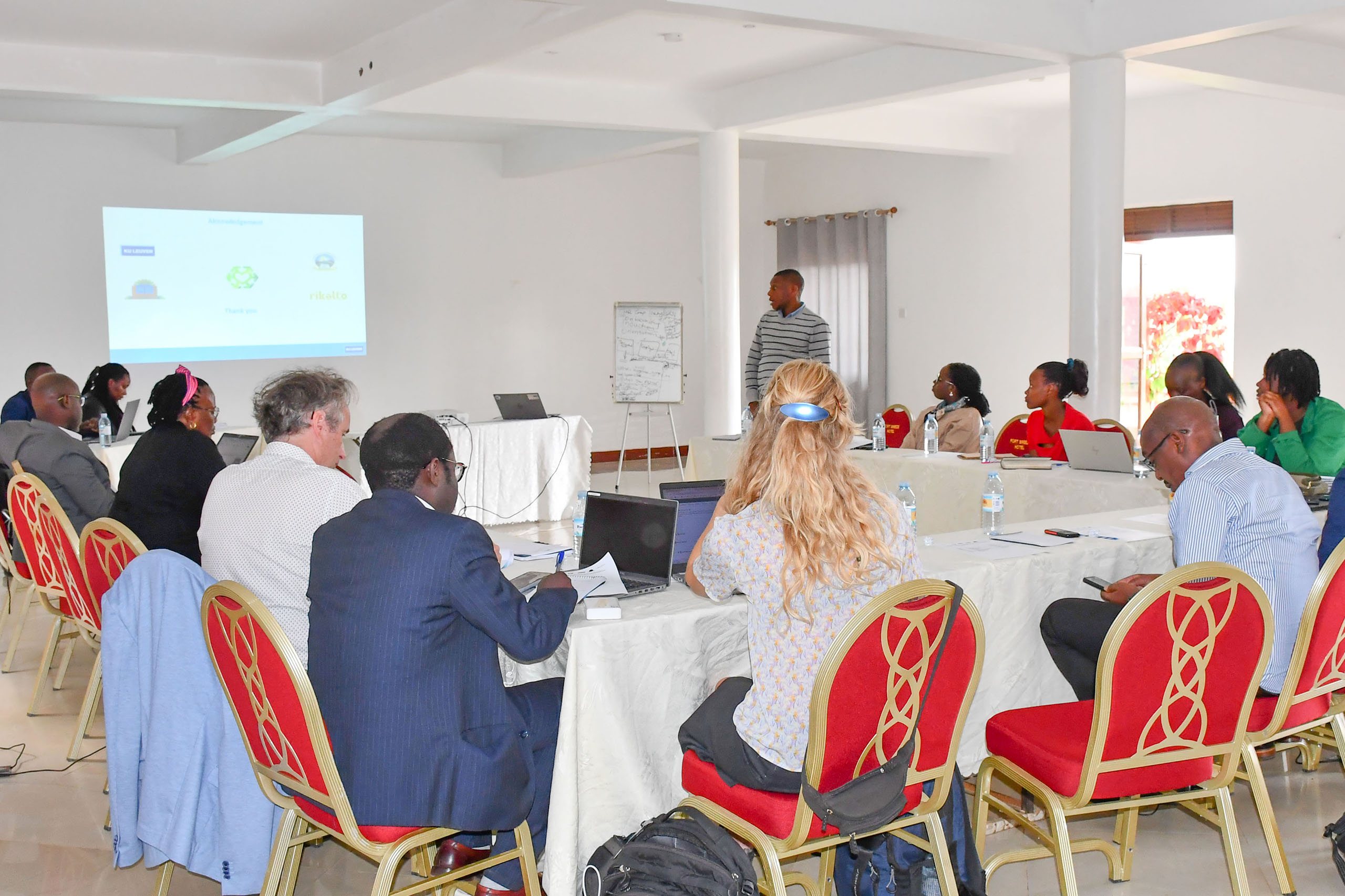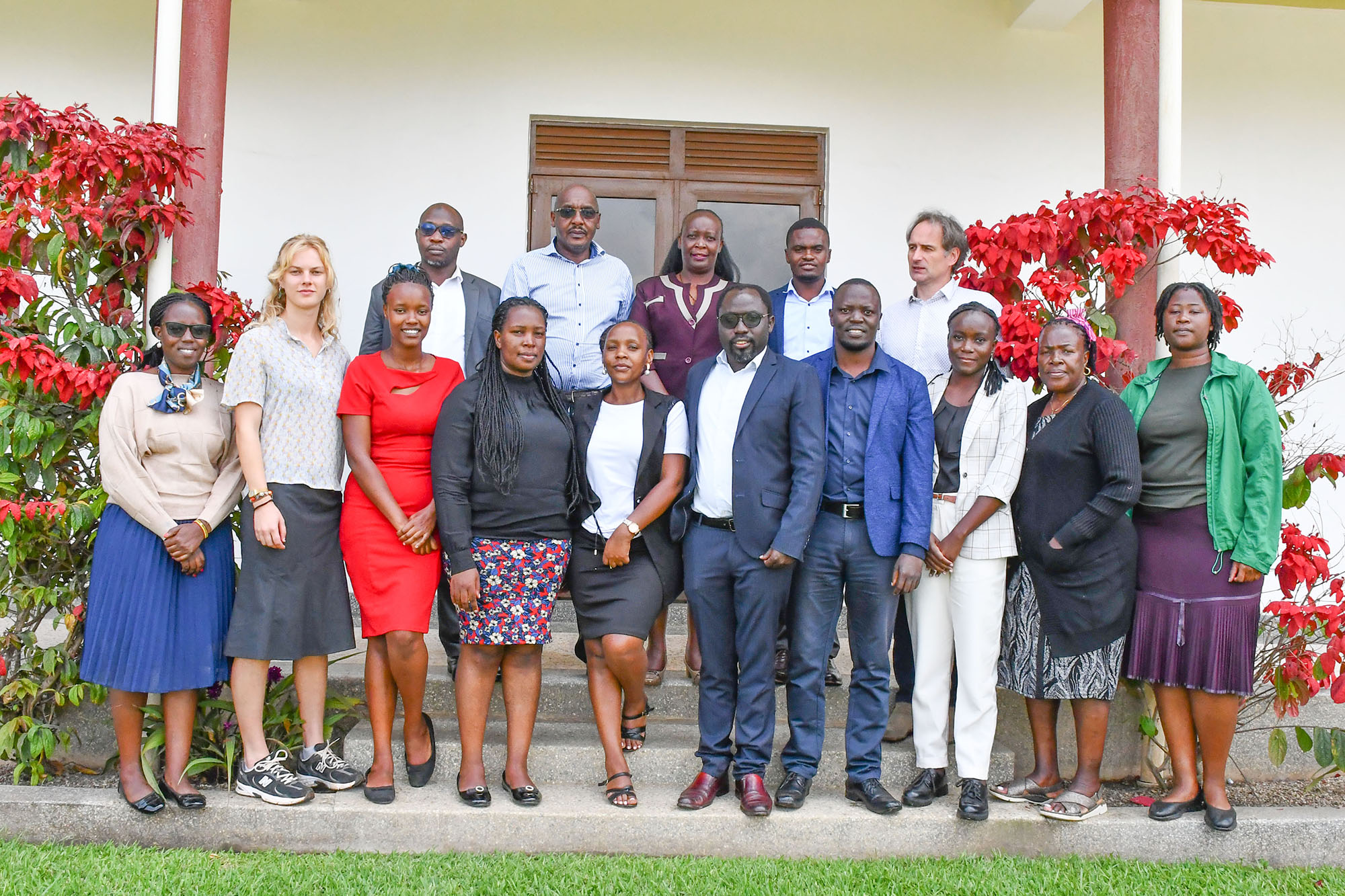
With nearly four in every ten children under five in the Tooro region suffering from stunted growth, nutrition professionals and academic researchers are intensifying efforts to find lasting solutions to malnutrition and poor diets. On Tuesday, 30th/09/2025, Mountains of the Moon University (MMU), convened a workshop at Fort Breeze in Fort Portal to explore how local knowledge and practices around fruits and vegetables can be harnessed to improve nutrition and cardio metabolic health in the Rwenzori region.
The workshop called together local government leaders, including health and nutrition focal persons, and global north research partners. Discussions centered on research paper presentations about issues regarding reviving the consumption of indigenous fruits and vegetables, addressing dietary gaps, and building research capacity to guide policy and community action.
In his welcoming remarks, Prof. Joshua Wesana, the Dean of Faculty of Agriculture and Environmental sciences at MMU emphasized the need to blend indigenous knowledge with research-driven innovations to achieve lasting nutritional solutions for communities. He emphasized that improving nutrition in the region requires a balance between local traditions and scientific innovations.
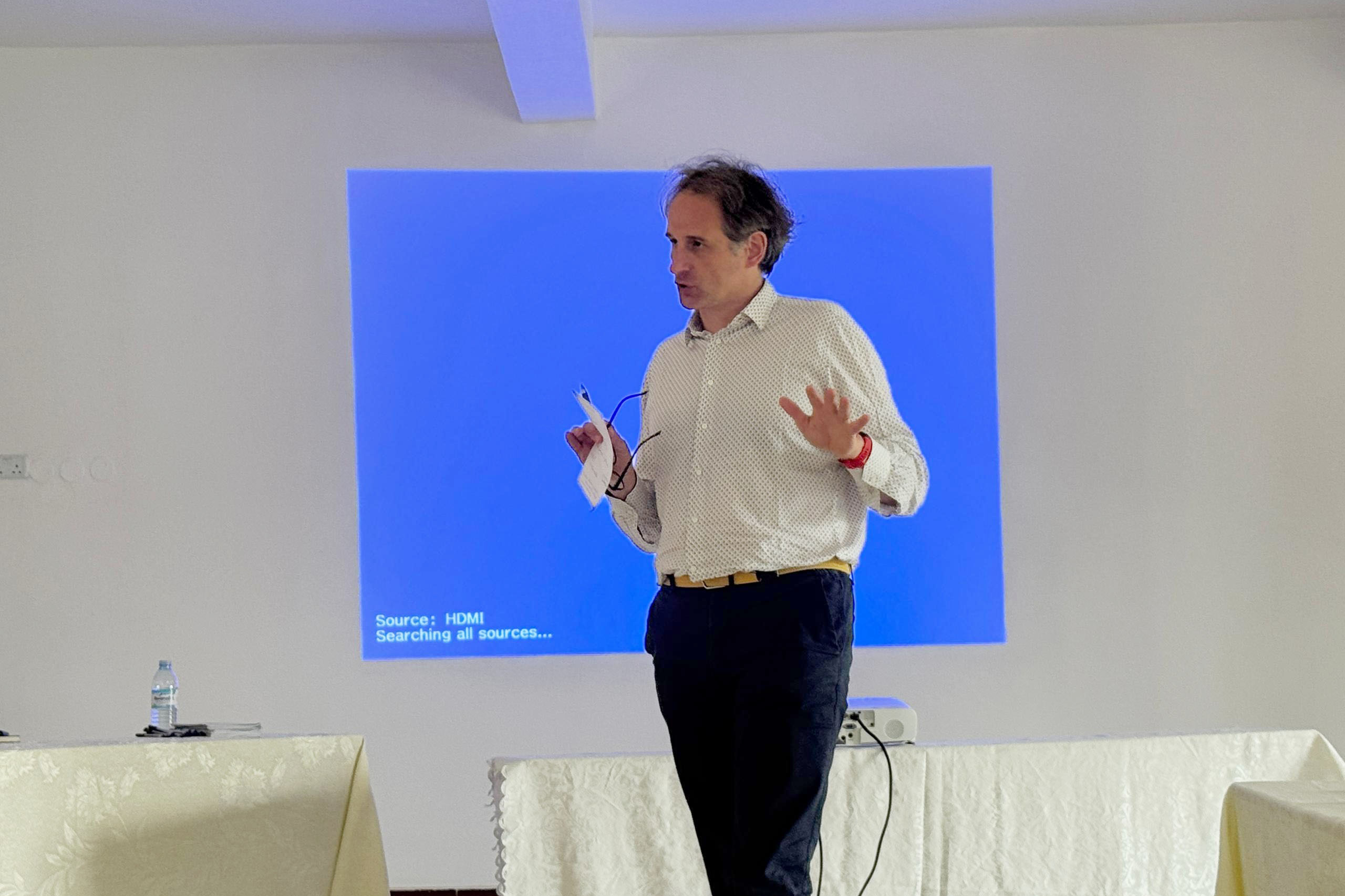
Prof. Christophe Matthys from the Global North partners emphasized that research, though not always yielding immediate results, lays the foundation for long-term community benefits. He pointed out that combining international expertise with local knowledge is the most effective way to build lasting research capacity in the region.
Speaking on behalf of Kabarole District, Ms. Kemigabo Catherine, a district health educator and nutrition focal person, noted that many households in Tooro are not consuming enough fruits and vegetables and that stunted growth among children under five in the region currently stands at nearly 39 percent. She says that this study would provide evidence to confirm whether the main issue is lack of information or other barriers such as limited land, time constraints, or childcare practices.
Closing the workshop, the Project Manager at MMU, Christine Kobugabe restated MMU’s commitment to working hand in hand with district authorities and cultural and religious institutions to ensure research findings translate into tangible community impact.
The initiative marks a significant step toward bridging the gap between academic research and community-based interventions, ensuring that local knowledge and global expertise converge to address malnutrition and improve cardio metabolic health outcomes in the Rwenzori region.
Written by: Niwamanya Joab