
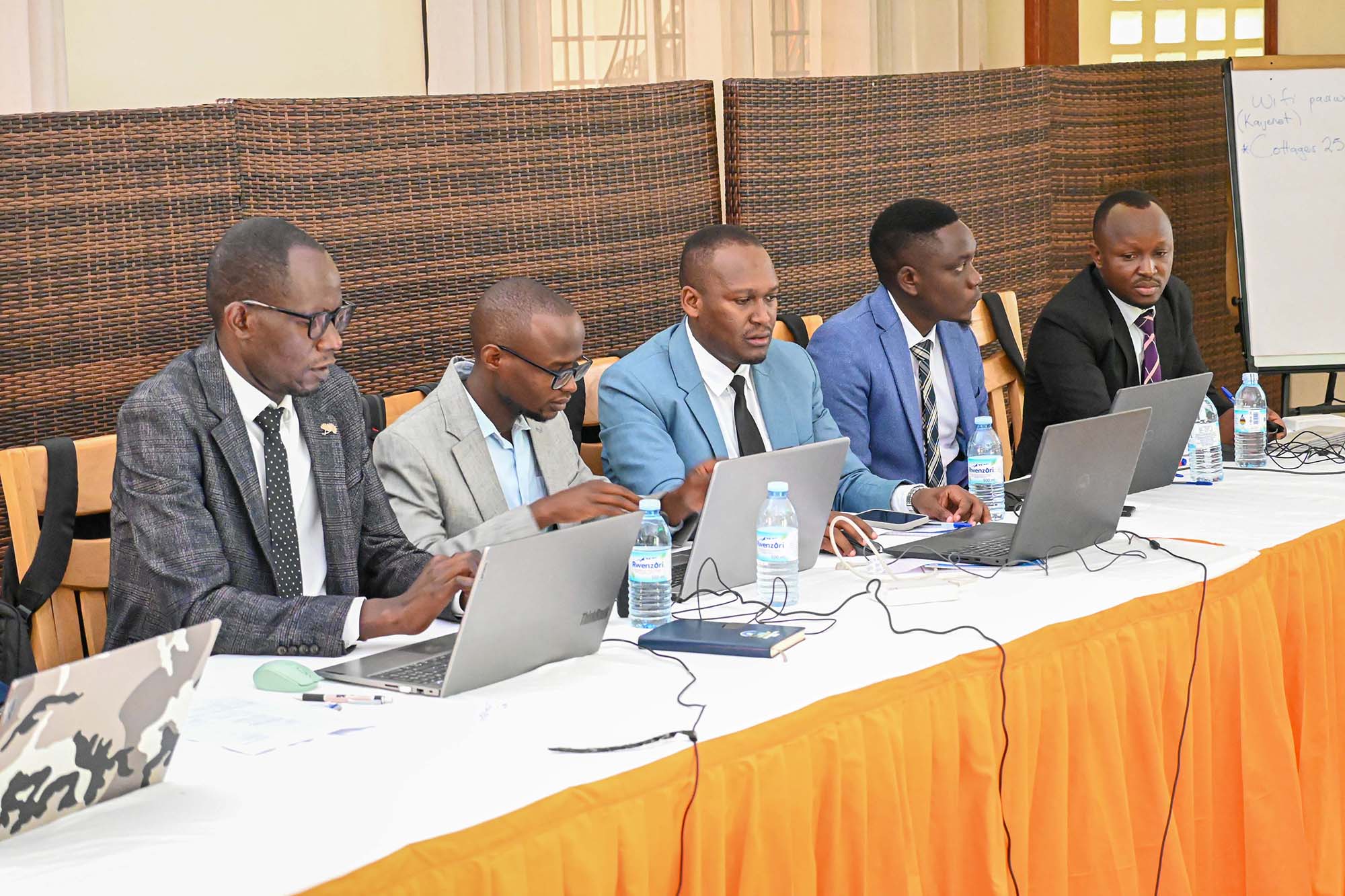
The Directorate of Information Communication Technology (DICT) of Mountains of the Moon University (MMU) on 19th November 2025, concluded a two-day strategic planning retreat at Kaija Country Royal Cottages in Fort Portal, bringing together key stakeholders to chart the institution’s digital future.
The retreat, which began on November 18th and ran under the theme “Driving University Growth through Strategic Information and Communication Technology (ICT) Integration,” focused on ICT strategic planning, team building, and the budgeting process for the 2026-2027 financial year. The sessions were facilitated by Assoc. Prof. Gilbert Ocen, Director of ICT at Busitema University.
Officially opening the retreat, Prof. Edmond Kagambe, MMU’s Deputy Vice Chancellor in charge of Finance and Administration, emphasized the critical role of ICT in achieving the university’s core objectives. He noted that the theme’s relevance in the development of MMU directly supports the core university objectives, particularly in enhancing academic performance and quality, improving operational efficiency, and fostering research and innovation.
Prof. Kagambe explained that ICT tools including e-learning platforms and virtual Open Distance and e-Learning (O-Del) laboratories will provide personalized, interactive, and engaging learning experiences while equipping students with essential 21st-century skills. He highlighted the university’s ambitious target to improve ICT coverage from the current 16% of automated university processes to 58% by 2029/2030.
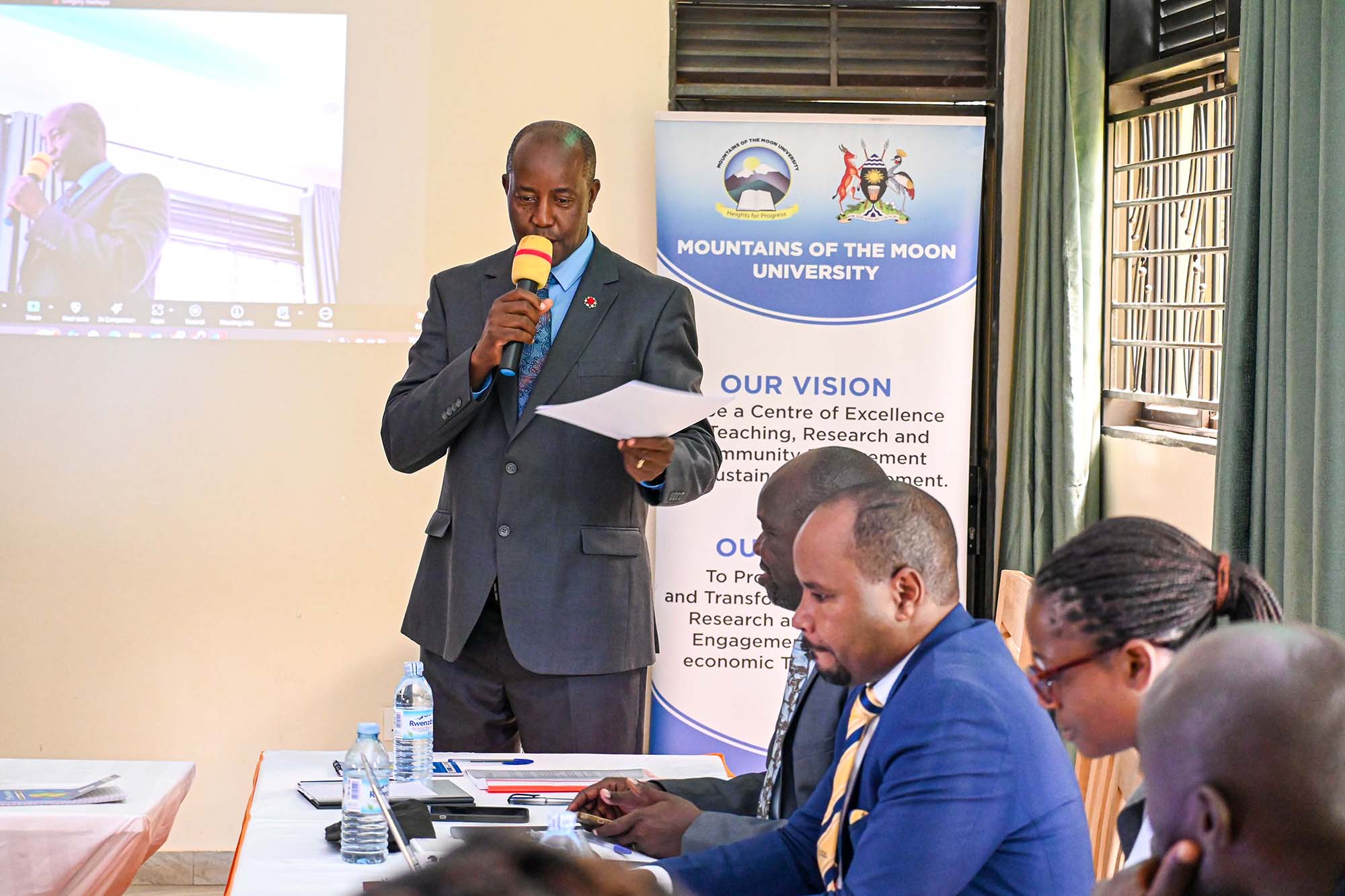 The automation of administrative processes through systems like Academic Information Management Systems (AIMS), Integrated Financial Management Information System (IFMIS), Human Capital Management Systems (HCMS), and Learning Management Systems (LMS) will streamline operations, save time and resources, and allow staff to focus on strategic priorities, according to Prof. Kagambe. He added that the university is investing in digital infrastructure to enhance research capabilities, including access to digital libraries through Koha open-source Library Management Systems and subscriptions to four academic databases namely EbscoHost, Emerald Insight, Taylor and Francis, and IEEE, through the Consortium of Uganda University Libraries (CUUL).
Prof. Kagambe contextualized the retreat’s theme within the broader global ICT landscape, noting that the world is in an “intelligent revolution” driven by advanced technologies like AI, big data, IoT, and blockchain, and that MMU must adapt to remain relevant and prepare students for this new reality. He pointed to the post-pandemic shift to hybrid learning models, which has made digital infrastructure a core component of educational delivery rather than an auxiliary option. The Deputy Vice Chancellor emphasized that students and employers increasingly demand flexible, just-in-time education options accessible anytime, anywhere, and that universities including MMU compete on a global scale for top students, faculty, and research grants.
“Universities that leverage ICT effectively can gain a strategic and competitive edge, improving their national and international ranking,” Prof. Kagambe stated. He added that a robust, strategic ICT framework helps institutions manage disruptions, address security concerns, ensure data privacy, and manage resource constraints more effectively, making them more resilient to external pressures.
Addressing infrastructure priorities, Prof. Kagambe outlined the need for investment in networking to ensure high-capacity, reliable networks connecting all users and devices across campus, as well as physical or virtual servers for hosting applications and managing databases. He stressed the importance of expanding data centers, investing in software including operating systems and enterprise applications, implementing multi-layered security protection including firewalls and identity management systems, leveraging cloud and hybrid solutions for storage and computing, and ensuring robust data storage and backup systems for business continuity and disaster recovery.
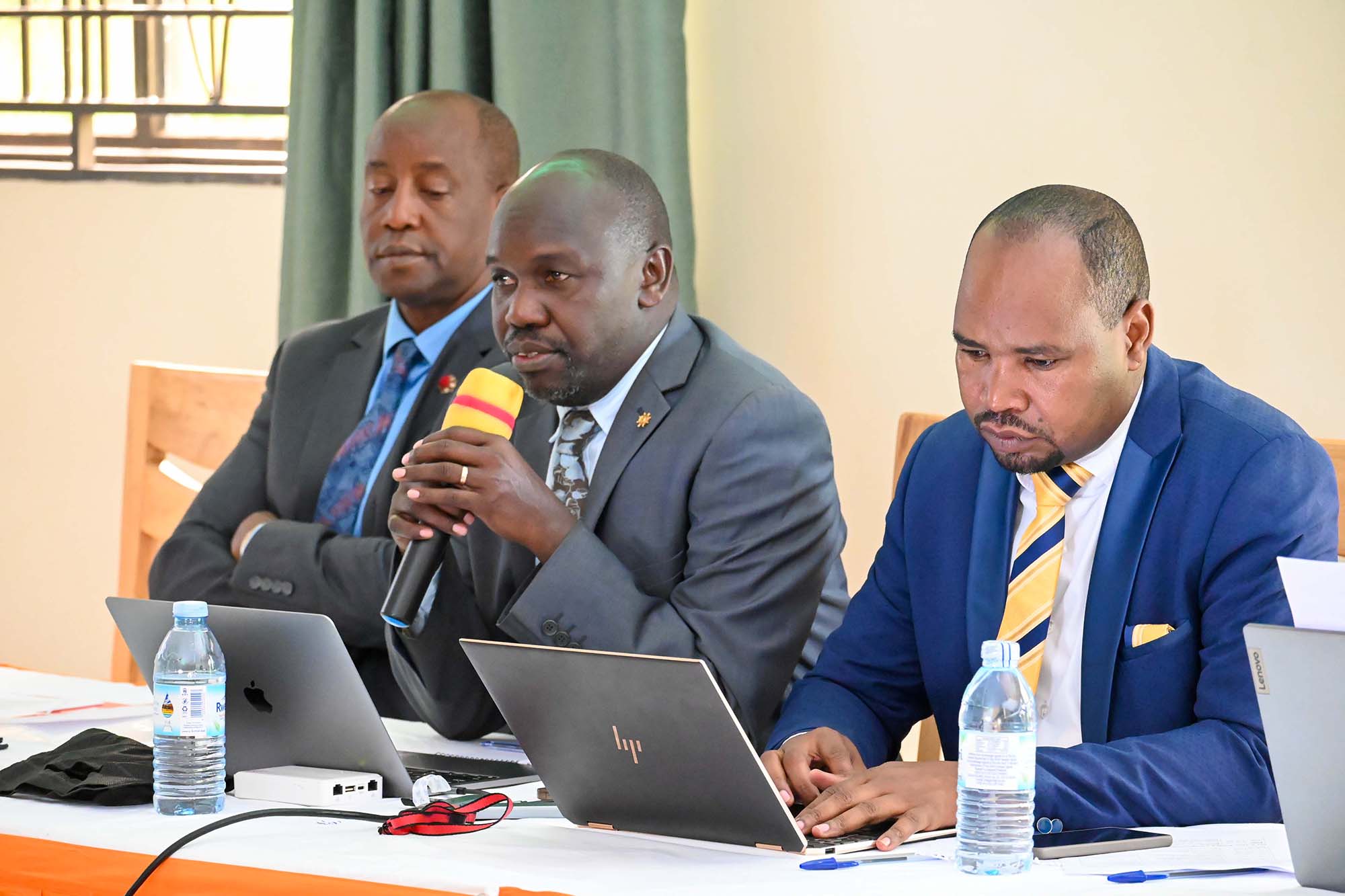 “I encourage active participation, critical thinking, and the sharing of diverse perspectives and best practices among all participants in this workshop,” Prof. Kagambe said. “I expect this workshop to produce a clear roadmap or set of recommendations to guide the university’s future actions in ICT investments and expansion to support its core mandate of education, research, and community services.”
Dr. Gregory Tweheyo, University Secretary, emphasized the critical need for MMU’s ICT strategy to align with both national and international development frameworks. He stated that technology continues to evolve rapidly, reshaping how we teach, learn, research, and deliver services, and that as a Directorate, it is essential to stay ahead of these changes by ensuring the ICT Strategic Plan aligns fully with the University’s vision and with national and international frameworks.
Dr. Tweheyo outlined several key frameworks that should guide the university’s digital transformation, including the National ICT Policy, the National Development Plan IV (NDP IV), Uganda Vision 2040, the East African Community (EAC) Vision 2050, the African Union Agenda 2063, and Sustainable Development Goal 4 on quality education. He particularly highlighted the EAC Vision 2050’s emphasis on the use of ICT for peer learning, knowledge sharing and managing knowledge towards achieving the regional knowledge economy, noting that MMU must position itself as a key player in this regional digital ecosystem.
The University Secretary candidly addressed the challenges facing the university’s digital transformation agenda, calling for honest assessment an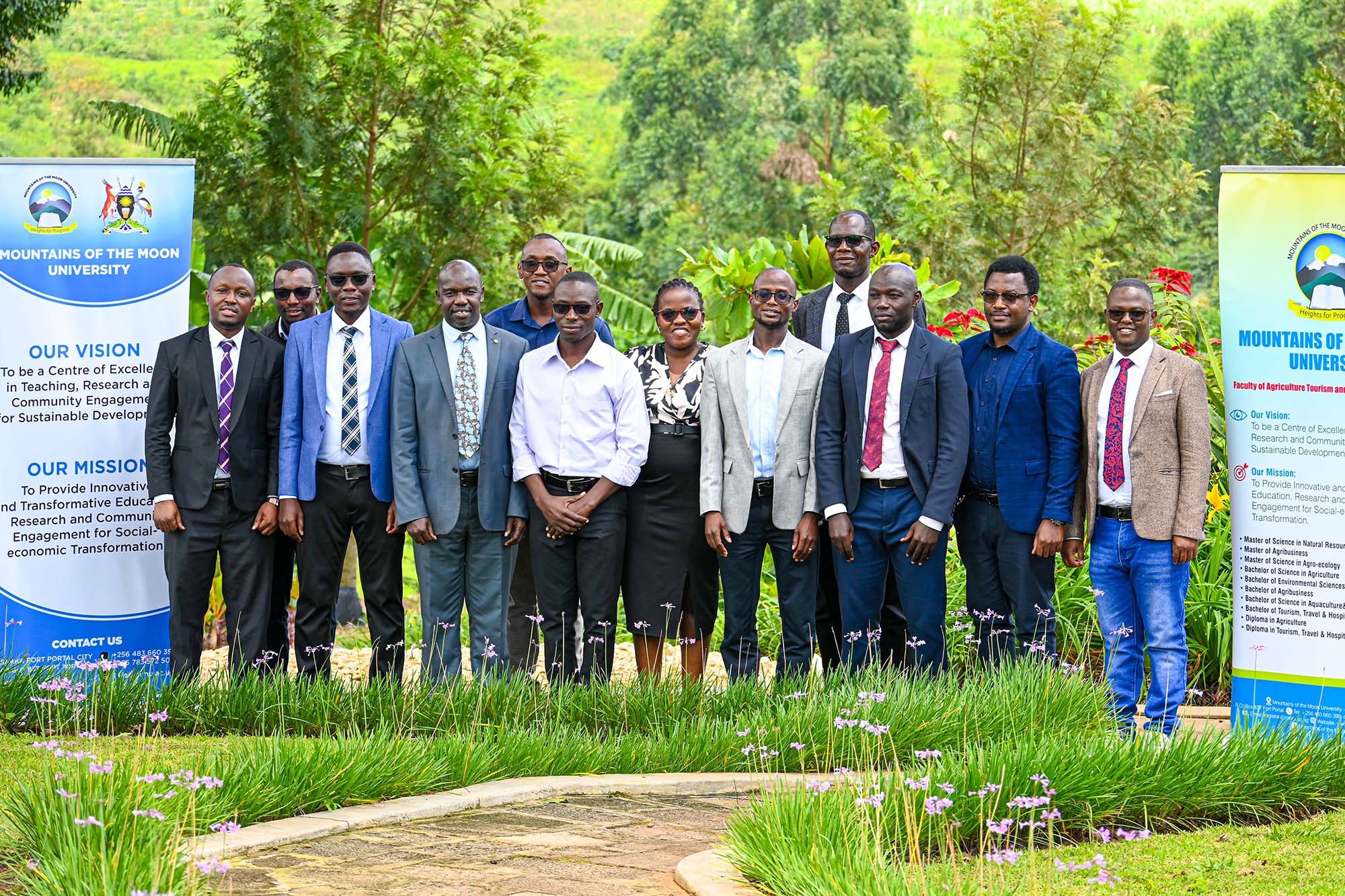 d strategic solutions. He noted that the Strategic Plan must guide innovation while addressing key challenges including inadequate ICT infrastructure, limited funding, high connectivity costs, weak ICT governance, low digital literacy, resistance to change, skills mismatches, limited e-resources, security and maintenance issues, and the emerging demands of artificial intelligence.
“As we review and strengthen our ICT priorities, it is important to assess our progress and refine our direction to ensure a strong and sustainable digital transformation agenda for MMU,” Dr. Tweheyo added.
Dr. Francis Otto, Director of ICT at MMU, outlined the key focus areas that will guide the Directorate’s operations moving forward. He identified five strategic priority areas that will receive concentrated attention: innovations and digital transformation, e-learning, networks systems and security, maintenance and user support, and administrative support. These focus areas are designed to ensure comprehensive coverage of the university’s ICT needs while supporting its broader institutional goals.
Assoc. Prof. Gilbert Ocen, Director of ICT at Busitema University, facilitated the retreat sessions, taking participants through the topic “Driving institutional growth through ICT strategic integration: A New Paradigm for Public Universities.” He presented four critical ICT pillars that underpin institutional growth in public universities, starting with enhancing teaching and learning by leveraging technology to improve educational delivery and student engagement. The second pillar focused on revolutionizing research and innovation through the use of digital tools to expand research capabilities and foster innovation, while the third emphasized streamlining administration and operations by automating processes to improve efficiency and resource management. The fourth pillar addressed expanding reach and impact by extending the university’s influence and accessibility through digital platforms. These pillars provided a comprehensive framework for participants to understand how strategic ICT integration can transform all aspects of university operations.
The two-day retreat brought together members of the ICT directorate and other key university stakeholders to develop comprehensive strategies that will position MMU as a leader in digital transformation within Uganda’s higher education sector. As the retreat concluded, participants expressed optimism about the roadmap developed, which is expected to guide the university’s ICT investments and innovations in the coming years while addressing the challenges that have hindered progress in the past.
Written by: Brens Willie Wambedde