
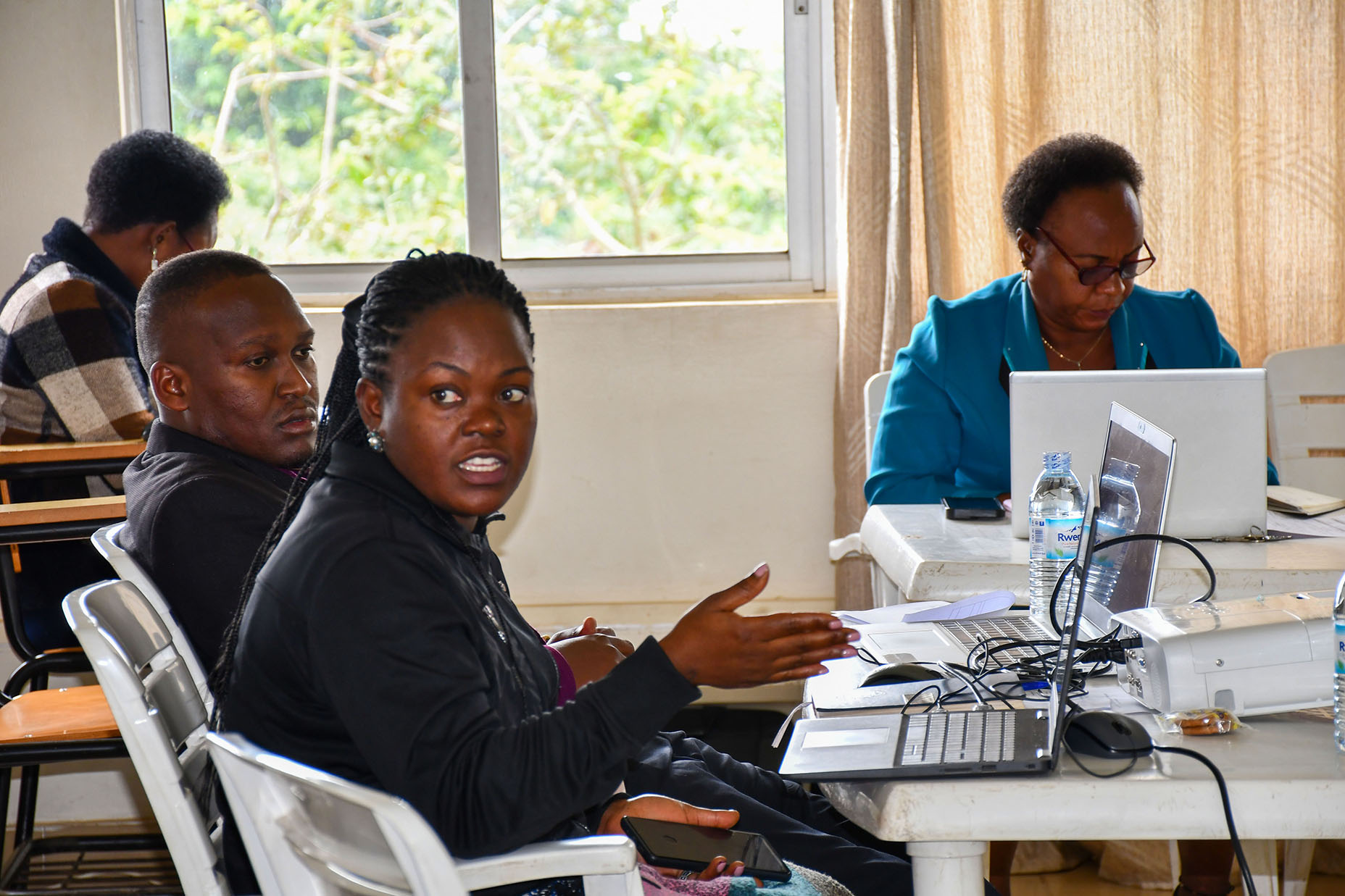
The Directorate of Planning Investment and Development of Mountains of the Moon University today conducted a one-day workshop focused on Programme Budgeting System (PBS) capacity building training at Block C, Main Hall.
The intensive training session brought together a diverse group of stakeholders, including representatives from the Ministry of Finance Planning and Economic Development, members of the university’s top management, cost centre managers, budget focal persons, and representatives from procurement, finance, and ICT departments.
William Ndoleilire, the Chief, Planning, Investment and Development, outlined the objective of the training as streamlining the budgeting and planning process in the university in accordance with the Public Finance Management Act (PFMA) 2015, which requires budget processes to be consultative.
Ndoleilire further explained that the training aimed at enhancing the capabilities of cost centre managers and administrative units to be able to manage and enter their budgets on the Programme Budgeting System (PBS), ensuring more efficient and accurate budget preparation and management.
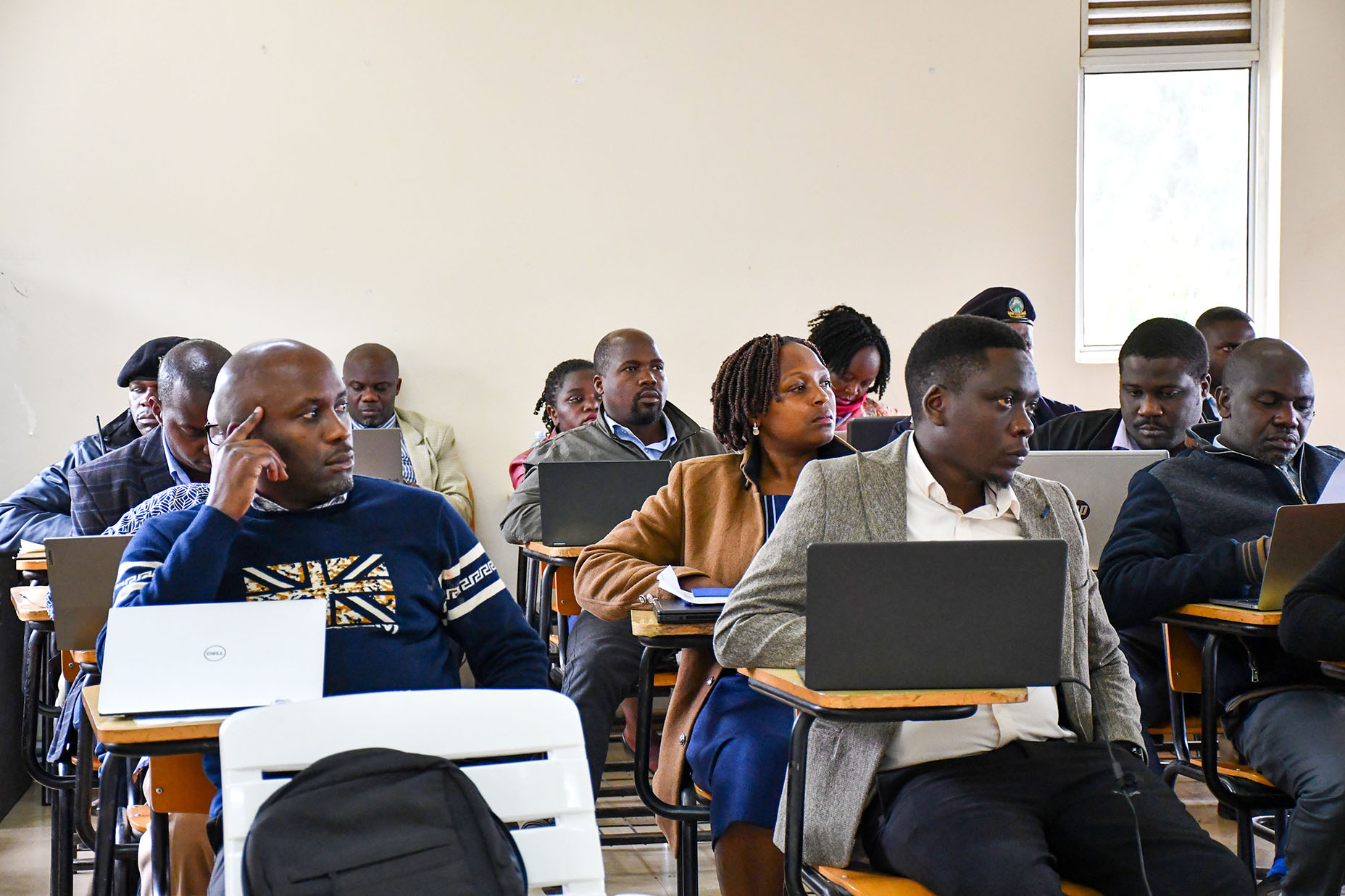 Prof. Edmond Kagambe, the Deputy Vice Chancellor in charge of Finance and Administration, who officially opened the workshop emphasized the strategic importance of the training, stating that “Today is not just a training session but one of the core interventions that must be undertaken to streamline the University systems and processes in our 4th year of operation as a public university.” Adding, that “it is our deliberate effort to strengthen our institutional capacity; improve budget ownership at the cost centre level; and ensuring that Mountains of the Moon University continues to meet the highest standards in public financial management.”
Prof. Kagambe thanked the Ministry of Finance, Planning and Economic Development team for availing their time and expertise to orient and enhance the capacity of MMU staff on PBS. He called upon cost centre heads and Budget Focal Point Officers to grasp the process of handling entries and production of reports on PBS, emphasizing the practical importance of mastering these technical skills.
He outlined challenges previously experienced such as: some outputs in the quarterly workplans not being aligned with the real needs and priorities of cost centres; budget ownership at the unit level being limited; workplans not always adjusted in line with budget changes; procurement planning at sometimes lacking sufficient details, and; delayed submissions occurred due to the centralisation of the process, all this Prof. Kagambe said will be solved through the training today.
Prof. Kagambe encouraged participants in the training to engage actively; ask questions without hesitation; share the challenges faced; and explore on how to improve coordination between planning, procurement, and financial management.
The workshop was designed to enhance the understanding and implementation of programme budgeting methodologies within the university’s planning and development framework. The broad participation of key personnel from various departments and external stakeholders underscored the importance of collaborative approach to budgeting reform.
Programme budgeting represents a systematic approach to allocating resources based on specific programmes and their expected outcomes, rather than traditional line-item budgeting. This methodology enables more strategic resource allocation and improved accountability in public sector institutions.
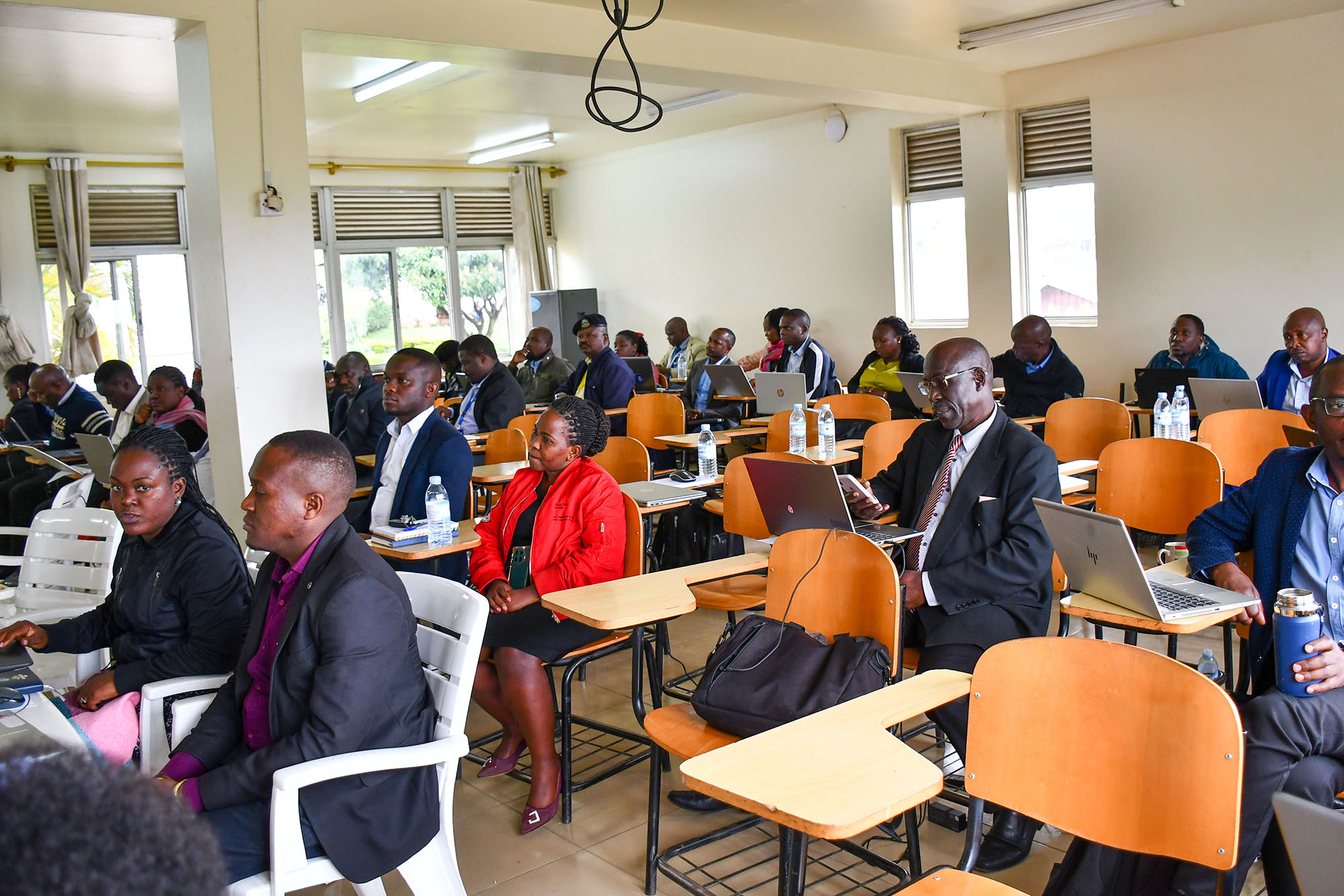 The capacity building training aimed to equip participants with the necessary skills and knowledge to effectively implement programme-based budgeting systems that align with the university’s strategic objectives and development goals. The presence of Ministry of Finance representatives ensured alignment with national budgeting frameworks and standards.
The involvement of cost centre managers and budget focal persons was particularly significant, as these personnel play crucial roles in day-to-day budget implementation and monitoring at departmental levels. Representatives from procurement, finance, and ICT departments provided cross-functional perspectives essential for integrated budgeting approaches.
The emphasis on consultative budget processes, as mandated by the PFMA 2015, highlights the university’s commitment to transparent and participatory financial management that involves all relevant stakeholders in planning and decision-making processes.
Prof. Kagambe’s remarks underscored the critical timing of this initiative as the university continues to mature in its fourth year as a public institution, requiring robust systems and processes to support its growth and development.
The Directorate of Planning Investment and Development organized the workshop as part of the university’s ongoing efforts to strengthen its financial management systems and enhance institutional capacity for strategic planning and resource allocation.
The one-day intensive training session represents Mountains of the Moon University’s commitment to adopting modern financial management practices that promote transparency, efficiency, and results-oriented budgeting approaches in compliance with national legislation.
Participants are expected to apply the knowledge gained from the workshop to improve budgeting processes within their respective departments, contributing to more effective resource utilization and enhanced institutional performance through improved PBS utilization.
Written by: Willie Brens Wambedde