The National Environment Management Authority (NEMA) has reaffirmed its commitment to advancing renewable energy, environmental innovation, and research-driven solutions as part of its strategy to address climate change and promote sustainable development.
Speaking on NEMA’s areas of strategic interest, during the workshop with the Directorate of Graduate Studies Research and Innovation of Mountains of the Moon University held last week at Mountains of the Moon University Lake Saaka Campus, Dr. Richard Komakech the Principal Research and Innovations Officer NEMA emphasized renewable energy and energy storage research as a key priority, noting its critical role in reducing carbon emissions, improving energy access, and strengthening climate resilience. Closely linked to this is NEMA’s push for effective carbon management, including improved carbon measurement, reporting, and participation in emerging carbon markets.
Dr. Komakech also highlighted waste reduction as a major focus area, with renewed efforts to promote circular economy approaches such as recycling, waste-to-energy initiatives, and sustainable waste management systems. These efforts are aimed at reducing environmental degradation while creating green economic opportunities.
Sustainable agriculture and food systems were underscored as central to environmental protection, given that agriculture remains the backbone of the economy. NEMA noted that when agricultural practices are well addressed through climate smart and sustainable approaches, they contribute directly to the operationalization of environmental protection and long-term economic stability.
Echoing this position, Dr. Cosmas Wacal a lecturer at Mountains of the Moon University emphasized the importance of building farmers’ capacity, particularly in understanding soil health. He noted the need to train farmers on soil aspects to help them assess the status of their soils, enabling informed decision-making that supports productivity while safeguarding the environment. He further stressed that effective collaboration would be key to achieving these outcomes.
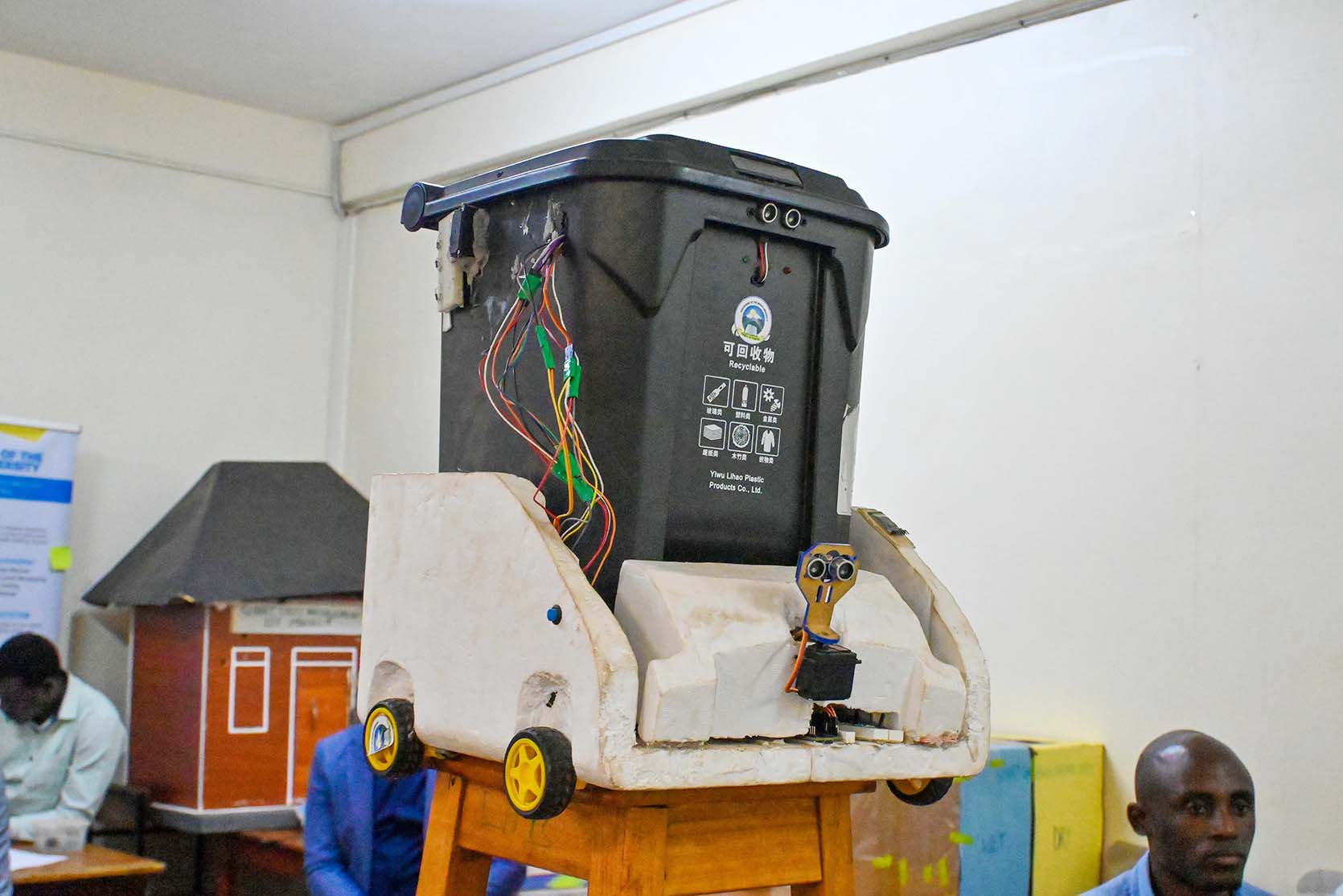
Recognizing the growing role of technology, NEMA pointed to smart technologies and the Internet of Things (IoT) as essential tools for environmental monitoring and management. The Authority is increasingly interested in data-driven solutions that enhance real-time monitoring of air quality, water resources, soil health, and emissions.
On collaboration, NEMA stressed that all partnerships must be built on strong foundations. In this regard, the Authority acknowledged the existing Memorandum of Understanding (MOU) with MMU and expressed interest in operationalizing the partnership to deliver tangible outcomes. Planned areas of collaboration include joint research initiatives, support for MSc and PhD researchers, and the co-development of solutions aligned with national environmental priorities.
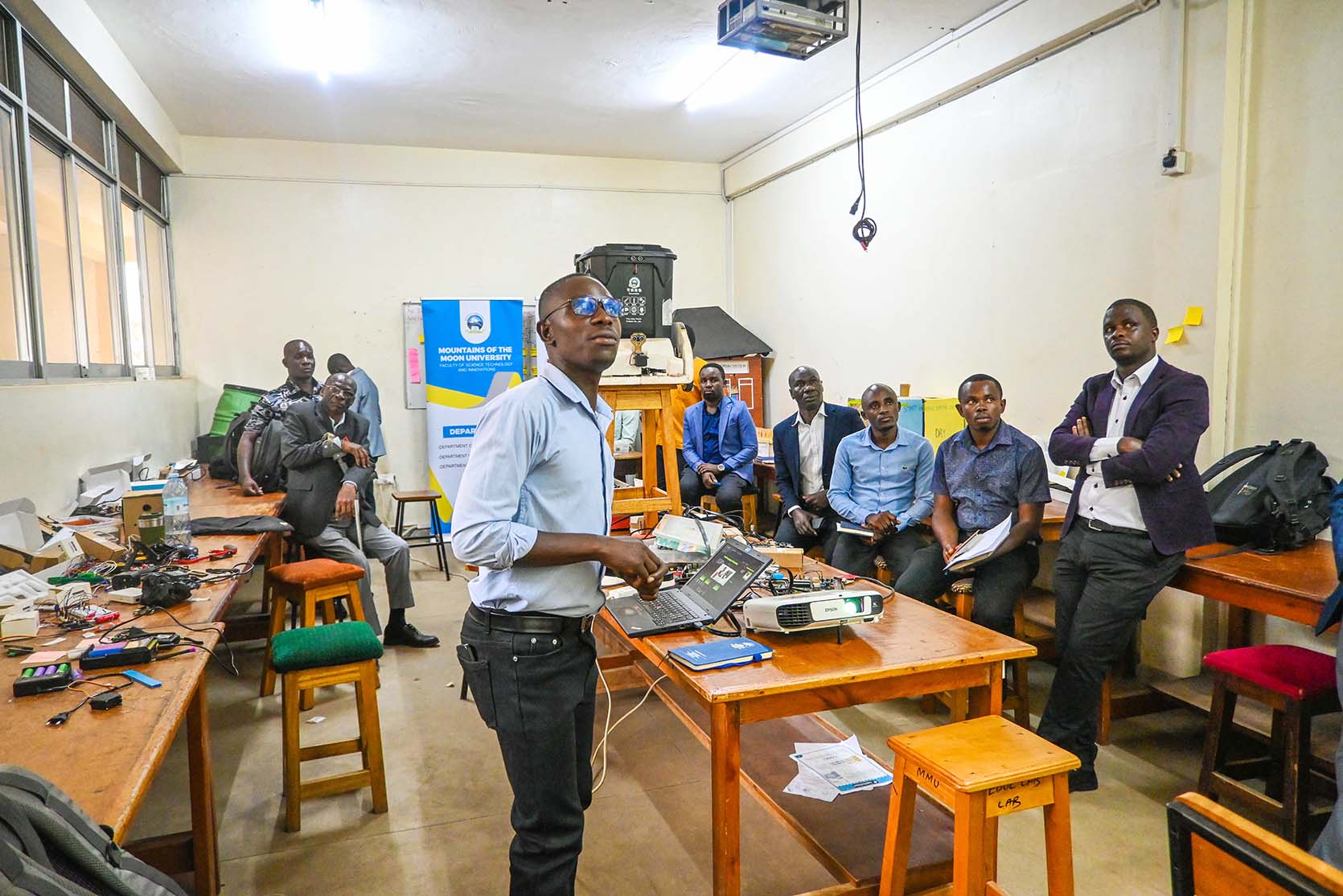
The Authority further revealed plans to jointly mobilize resources with academic partners, including grant funding and donor support, to scale up impactful research and innovation. As part of this effort, NEMA aims to provide platforms for innovation and establish an Innovation Lab where promising environmental technologies can be piloted and tested.
NEMA noted that innovations demonstrating strong environmental impact and scalability could be adopted and mainstreamed into national environmental programs. To support this process, the Authority emphasized the importance of clear intellectual property management frameworks that protect innovators while enabling collaboration, commercialization, and policy uptake.
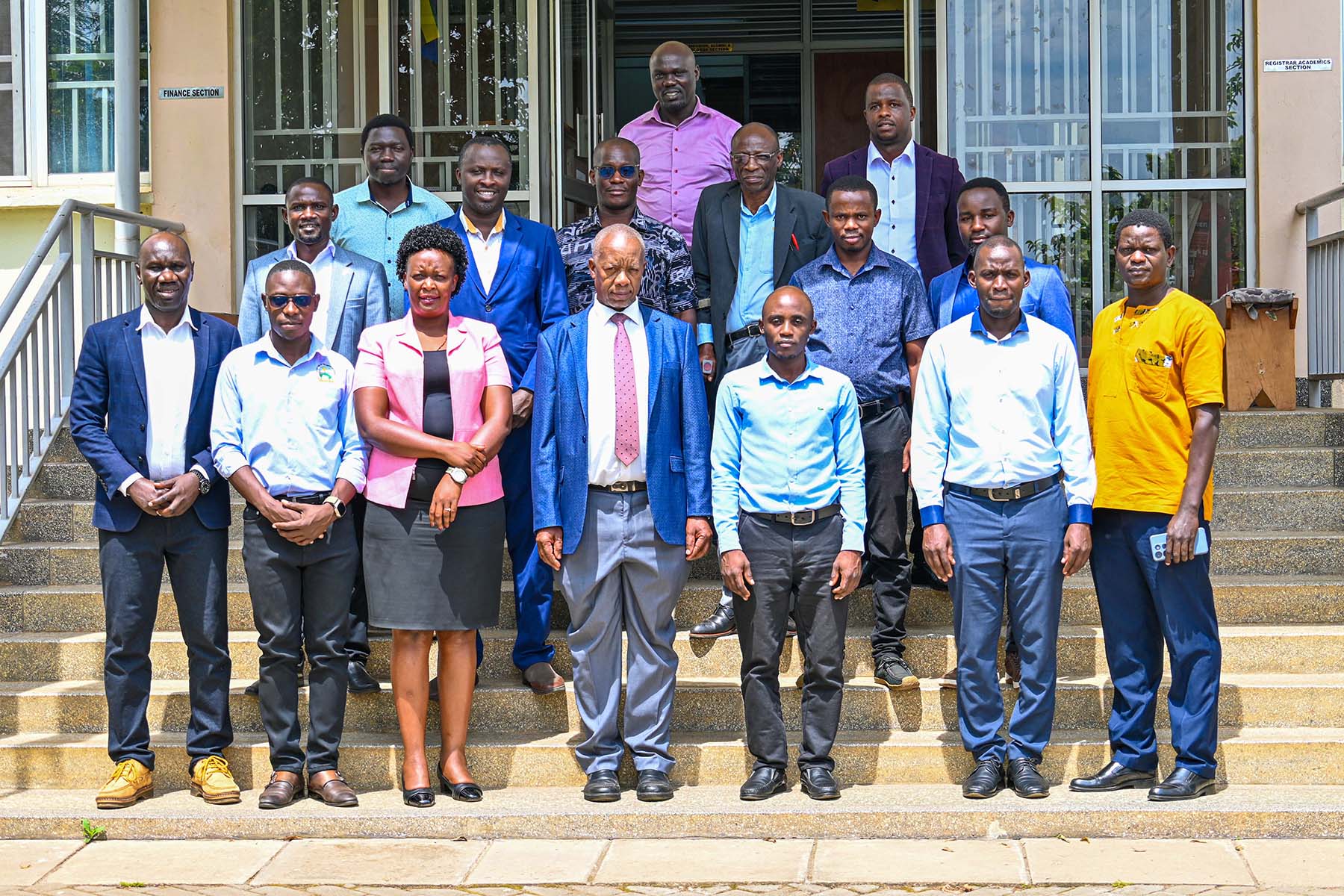
The engagement was attended by key stakeholders, including Prof. Bagamba Fredrick Chief, Graduate Studies and Research at MMU, Prof. Kanti Kanyarusoke and Dr. John Sekajugo, underscoring the shared commitment to strengthening collaboration between NEMA and MMU. Participants emphasized the need to work hand in hand to move the collaboration strategy forward and deliver practical, scalable solutions for environmental sustainability.
With these initiatives, NEMA and MMU positions themselves as key drivers of research-led environmental governance, fostering innovation, partnerships, and sustainable solutions to meet national and global environmental challenges.
Written by Tadeo Kusemererwa